


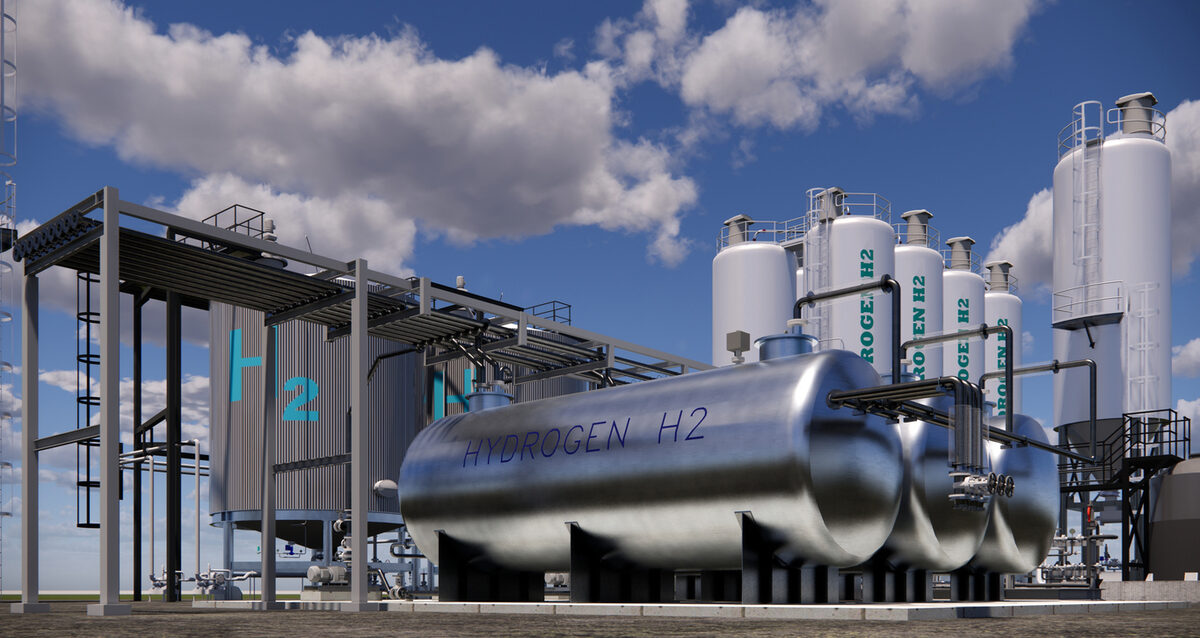
India’s hydrogen economy is poised for massive growth. With the National Green Hydrogen Mission targeting 5 million metric tonnes of green hydrogen production capacity by 2030, the demand for clean hydrogen across industries is accelerating rapidly. But for manufacturers, refineries, and chemical plants looking to buy clean hydrogen industrial-grade supply, the landscape can be confusing.
This comprehensive guide covers where to source clean hydrogen in India, the different production methods available, pricing factors, and how to choose the right industrial hydrogen supplier for your specific needs.
Why Clean Hydrogen Matters for Indian Industry?
India’s industrial sector is a major consumer of hydrogen — primarily in petroleum refining, ammonia and fertilizer production, and chemical manufacturing. Currently, over 95% of India’s hydrogen comes from fossil fuel-based processes (grey hydrogen), generating significant CO₂ emissions.
The shift to clean hydrogen is driven by:
- Government Policy: India’s net-zero by 2070 commitment and carbon reduction mandates
- Regulatory Pressure: Upcoming carbon pricing and ESG compliance requirements
- Cost Competitiveness: Declining costs of clean hydrogen technologies
- Market Demand: Customer and investor demand for sustainability
Types of Clean Hydrogen Available in India
| Type | Production Method | CO₂ Emissions | Cost (₹/kg) | Availability in India |
| Green Hydrogen | Water electrolysis (renewable energy) | Zero | ₹300-500 | Growing (limited scale) |
| Turquoise Hydrogen | Methane pyrolysis (plasma-based) | Zero | ₹200-350 | Emerging (Enerzi) |
| Blue Hydrogen | SMR + Carbon Capture (CCS) | Low (with CCS) | ₹180-280 | Pilot stage |
| Grey Hydrogen | Steam Methane Reforming (SMR) | High | ₹130-180 | Widely available |
Clean Hydrogen for Refineries
Petroleum refineries are India’s largest consumers of hydrogen, using it for hydrocracking, hydrotreating, and desulfurization. Clean hydrogen for refineries can directly replace grey hydrogen in these processes without requiring major infrastructure changes.
Key considerations for refinery hydrogen procurement:
- Purity Requirements: High-purity hydrogen (99.9%+ purity) is essential for refining processes
- Supply Volume: Refineries require consistent, large-volume supply (1,000-50,000 Nm³/hour)
- Delivery Mode: On-site production or pipeline supply is preferred over trucked supply for large volumes
- Compliance: Clean hydrogen must meet applicable BIS and ISO standards
Hydrogen for Ammonia Production
Ammonia production (for fertilizers) consumes about 55% of global hydrogen production. In India, ammonia plants are critical for food security, and transitioning to clean hydrogen can dramatically reduce the carbon footprint of the agricultural value chain.
Benefits of clean hydrogen for ammonia:
- Up to 90% reduction in production-related emissions
- Compliance with emerging green ammonia certification standards
- Access to premium markets for green ammonia exports
- Eligibility for government incentives under the National Green Hydrogen Mission
How to Choose an Industrial Hydrogen Supplier in India?
When evaluating potential industrial hydrogen suppliers in India, consider the following factors:
| Factor | What to Look For |
| Production Technology | Proven, scalable technology (e.g., electrolysis, plasma methane cracking) |
| Purity Levels | 99.9%+ for industrial processes; 99.999% for fuel cells |
| Supply Reliability | Continuous production capability, backup systems, SLA guarantees |
| Carbon Credentials | Third-party verified carbon intensity and emissions data |
| Cost Structure | Transparent pricing with long-term contract options |
| Geographic Proximity | On-site or nearby production reduces transportation costs |
| Scalability | Ability to increase supply as your demand grows |
| Technical Support | Engineering expertise for integration with existing processes |
Methane Pyrolysis: A Cost-Effective Clean Hydrogen Pathway
While green hydrogen from electrolysis gets the most attention, methane pyrolysis hydrogen (turquoise hydrogen) is emerging as a more cost-effective pathway for industrial-scale clean hydrogen production.
How It Works?
Methane pyrolysis uses high-energy plasma to split methane (CH₄) into hydrogen (H₂) and solid carbon — with zero CO₂ emissions. The solid carbon by-product is a valuable material used in batteries, composites, and industrial applications, creating an additional revenue stream that offsets hydrogen production costs.
Advantages Over Electrolysis
- 40-60% lower production cost than green hydrogen
- Uses existing natural gas infrastructure — no need for massive renewable energy installations
- Produces a valuable carbon by-product instead of just oxygen
- Scalable and modular — can be deployed on-site at industrial facilities
Plasma Hydrogen Production: Enerzi’s Approach
Enerzi is pioneering plasma hydrogen production in India using its proprietary microwave plasma technology. The company’s approach offers several unique advantages:
- Zero Emissions: Zero CO₂ emissions from the production process
- High Purity: Production of high-purity hydrogen (>99.9%)
- Carbon Co-product: Valuable carbon nanoparticles as a co-product
- Modular Design: Modular systems that can be deployed at customer sites
- Cost Competitive: Competitive pricing compared to green hydrogen
Pricing Factors for Industrial Hydrogen in India
| Factor | Impact on Price | Range |
| Production Technology | Major | ₹130-500/kg depending on technology |
| Volume | Significant | Bulk discounts for >1,000 kg/day |
| Purity Level | Moderate | +₹20-50/kg for ultra-high purity |
| Delivery Mode | Moderate | On-site production is cheapest |
| Contract Duration | Low-Moderate | Long-term contracts reduce per-unit cost |
| Location | Low-Moderate | Transportation adds ₹10-30/kg for distant supply |
The Road Ahead: India’s Clean Hydrogen Future
India’s clean hydrogen market is expected to reach $8-10 billion by 2030, driven by government incentives, regulatory mandates, and declining technology costs. For industrial buyers, now is the time to:
- Evaluate clean hydrogen options for your specific applications
- Build relationships with reliable suppliers like Enerzi
- Plan for the transition from grey to clean hydrogen
- Take advantage of available government subsidies and incentives
Conclusion
Finding the right source to buy clean hydrogen industrial-grade supply in India requires careful evaluation of technology, cost, reliability, and environmental credentials. With multiple pathways now available — from green electrolysis to plasma methane cracking — Indian industries have more options than ever to decarbonize their hydrogen consumption.
Enerzi, as a leading deep tech energy startup India, offers a unique combination of zero-emission hydrogen production, valuable carbon co-products, and custom engineered solutions — making it an ideal partner for industries serious about clean hydrogen adoption.