


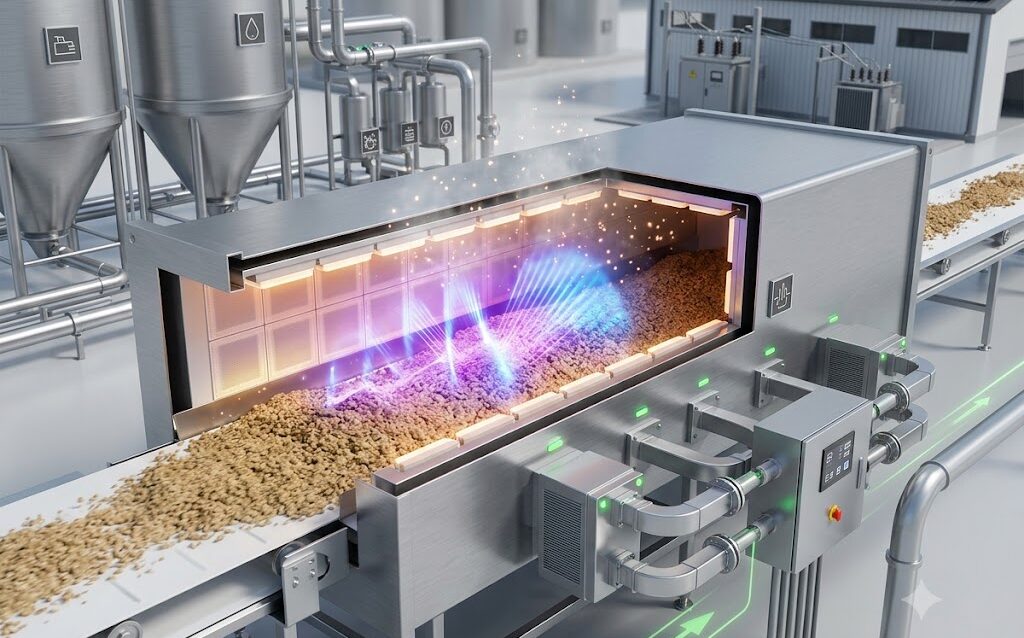
If you’re running an industrial facility, you already know that heating is one of the biggest chunks of your energy bill. Whether it’s drying, curing, sintering, or processing materials, traditional heating methods burn through energy and often waste more than they use. That’s where energy efficient industrial heating powered by microwave technology comes into the picture, and honestly, it’s changing the game for manufacturers who are tired of watching their energy costs spiral out of control.
Let’s break down why microwave-based systems are becoming the go-to choice for industries looking to cut costs, reduce emissions, and still get the job done faster.
Why Traditional Industrial Heating Falls Short
Conventional industrial heating systems, think gas furnaces, electric resistance heaters, or steam-based setups, work by heating the surrounding air or surface first, and then that heat slowly transfers to the material. This process is not just slow, it’s incredibly wasteful. A lot of the energy gets lost to the surrounding environment instead of actually reaching the product.
Some common issues with traditional systems include:
- Long heat-up and cool-down times
- Uneven heating, especially in thick or dense materials
- High energy loss through walls, ducts, and open surfaces
- Higher maintenance needs due to constant thermal cycling
This is exactly why more industries are shifting toward energy efficient heating systems that target the material directly instead of heating everything around it.
How Microwave Heating Works Differently
Microwave industrial heating systems don’t heat the air or the container, they generate heat directly inside the material itself. Microwaves penetrate the product and cause molecules (mostly water molecules) to vibrate rapidly, generating heat from within. This means the heating is faster, more even, and far less energy gets wasted along the way.
Because the heat is generated internally rather than transferred from an external source, microwave systems are a perfect fit for industrial process heating where speed and precision actually matter, like drying food products, curing rubber, vulcanizing materials, or even sterilizing certain products.
The Real Benefits of Microwave-Based Industrial Heating
Here’s where things get interesting. Companies switching to microwave systems aren’t just doing it to sound eco-friendly, they’re seeing real, measurable results.
- Faster processing times
Since heat is generated inside the material, there’s no waiting around for heat to slowly travel through it. Processes that used to take hours can sometimes be done in minutes.
- Lower energy consumption
Microwave systems only heat the target material, not the surrounding air or equipment. This selective heating is a major reason why energy saving industrial heating solutions are gaining popularity across sectors like food processing, ceramics, textiles, and chemicals.
- Better product quality
Even heating means fewer hot spots, less overcooking or overcuring, and more consistent output. For industries where product quality directly affects profits, this is a big deal.
- Reduced downtime
Microwave systems heat up and cool down almost instantly compared to traditional furnaces. That means less waiting, less energy wasted during idle periods, and more productive hours.
- Lower carbon footprint
Since these systems use electricity more efficiently and often replace fossil-fuel-based heating, they naturally support sustainable industrial heating goals that most companies are now being pushed to meet anyway.
Industries Making the Switch
You’ll find microwave-based industrial heating systems being adopted across a wide range of sectors:
- Food and beverage processing (drying, blanching, thawing)
- Rubber and polymer industries (vulcanization)
- Ceramics and glass manufacturing
- Pharmaceutical processing
- Textile drying and finishing
- Chemical and material sintering
If your industry involves any kind of heat-based processing, there’s a good chance microwave heating could either replace or support your existing setup.
Is Microwave Heating the Right Fit for Your Facility?
Not every process is a perfect match for microwave technology, and that’s okay. The key is understanding your material’s properties, especially moisture content, since microwaves work best with materials that absorb microwave energy well.
Before making the switch, it helps to ask:
- What’s my current energy cost per unit of production?
- How much of my current heating energy is actually being wasted?
- Would faster, more uniform heating improve my product quality?
- Can my process benefit from targeted, internal heating instead of external heat transfer?
If the answers point toward “yes,” investing in energy efficient industrial heating through microwave systems could pay for itself faster than you’d expect.
Final Thoughts
Industrial heating doesn’t have to mean high energy bills and wasted resources anymore. Microwave-based industrial heating systems offer a smarter, faster, and more sustainable way to get the job done, without compromising on quality or output. As more industries move toward energy efficient heating systems, microwave technology is proving to be one of the most reliable ways to cut costs while staying environmentally responsible. If you’re serious about reducing energy waste and boosting efficiency, it might just be time to explore what microwave heating can do for your operations.
FAQs
- What is energy efficient industrial heating?
It refers to heating methods, like microwave systems, that reduce energy waste by directly heating materials instead of the surrounding air, cutting costs and emissions.
- How does microwave heating save energy compared to traditional systems?
Microwave systems heat materials internally, avoiding energy loss through air, walls, or equipment surfaces, making the process much more efficient.
- Which industries benefit most from microwave industrial heating?
Food processing, rubber, ceramics, textiles, pharmaceuticals, and chemical industries benefit greatly due to faster, more uniform heating results.
- Is microwave heating suitable for all industrial materials?
Not always. It works best for materials with good moisture or dielectric properties. A process evaluation helps determine compatibility.
- Does switching to microwave heating reduce carbon emissions?
Yes, since it uses electricity more efficiently and often replaces fossil-fuel heating, supporting sustainable industrial heating goals significantly.