


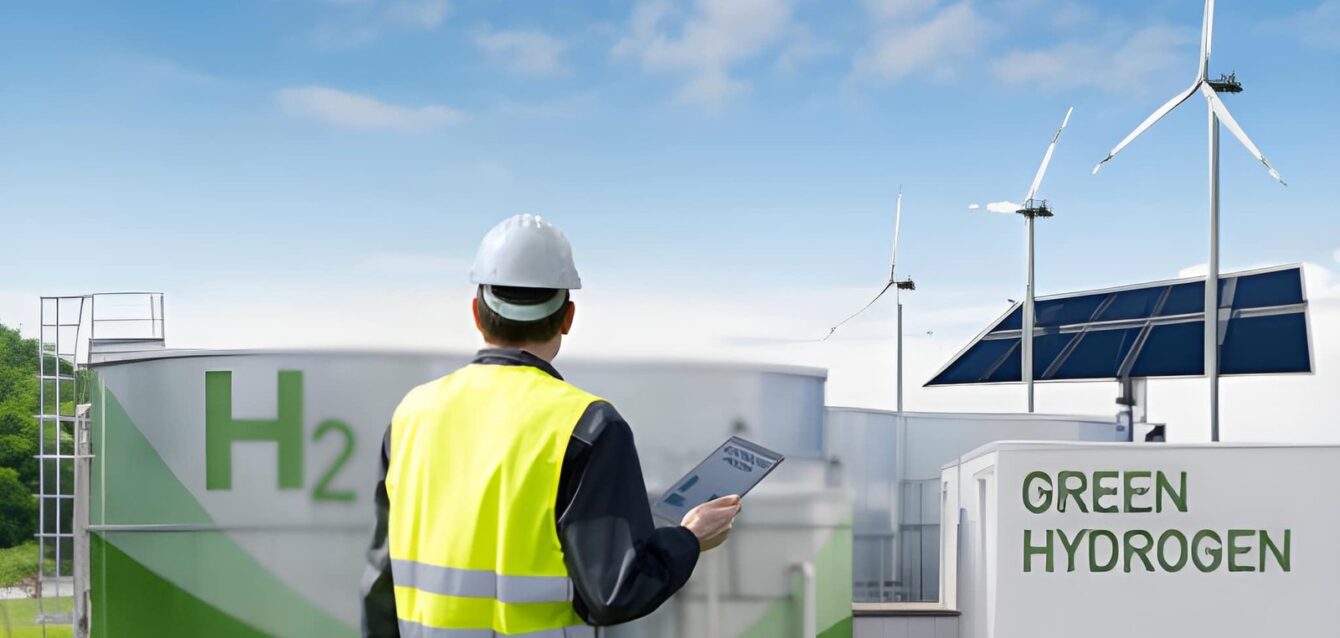
Ever wondered how the world is planning to move away from fossil fuels without giving up on energy-heavy industries like steel, shipping, and chemicals? The answer lies in a technology that’s picking up serious momentum right now: the green hydrogen production plant. If you’ve been hearing this term a lot lately and want to understand what it actually means and how it works, you’re in the right place.
Let’s break it down in the simplest way possible.
What Is a Green Hydrogen Production Plant?
A green hydrogen production plant is a facility that produces hydrogen gas using renewable energy sources like solar or wind power, instead of fossil fuels. Unlike traditional hydrogen production methods that release carbon emissions, a green hydrogen plant relies entirely on clean electricity to split water into hydrogen and oxygen.
In simple words, no fossil fuels, no harmful emissions, just clean energy turning water into a powerful fuel source. That’s what makes it “green.”
This is very different from grey or blue hydrogen, which are produced using natural gas and still contribute to carbon emissions, even if some of that carbon is captured later. A green hydrogen manufacturing plant skips all of that and goes straight for a zero-emission process.
Why Is Green Hydrogen Getting So Much Attention?
Industries around the world are under pressure to cut down their carbon footprint, and hydrogen is turning out to be one of the most promising solutions. It’s lightweight, energy-dense, and can be used in sectors that are otherwise hard to decarbonize, think heavy trucking, aviation, steel manufacturing, and chemical production.
That’s exactly why governments and private companies are investing heavily in setting up new hydrogen production plant projects across the globe. It’s not just about clean energy anymore; it’s about building an entirely new energy ecosystem.
How Does a Green Hydrogen Production Plant Actually Work?
This is where things get interesting. The core process behind every green hydrogen production plant is something called electrolysis. Let’s simplify it step by step:
- Water is fed into an electrolyzer, a machine that uses electricity to split water molecules into hydrogen and oxygen.
- The electricity used here comes from renewable sources, mainly solar panels or wind turbines. This is the part that makes the entire process “green.”
- Once the water is split, hydrogen gas is collected, compressed, and stored, while oxygen is either released or used for other industrial purposes.
- The stored hydrogen can then be transported and used as fuel, or converted into ammonia for easier storage and export.
That’s essentially the heart of any green hydrogen production system: clean electricity in, hydrogen out, with zero carbon emissions in between.
Key Components of a Green Hydrogen Plant
If you look inside a typical green hydrogen plant, you’ll usually find these major components working together:
- Renewable energy source (solar farms, wind farms, or hybrid systems)
- Electrolyzer units (PEM, alkaline, or solid oxide electrolyzers)
- Water treatment and purification systems
- Hydrogen compression and storage tanks
- Distribution infrastructure for transporting hydrogen to end users
Each of these parts plays a critical role in ensuring the plant runs efficiently and safely.
Types of Electrolyzer Technology Used
Not all green hydrogen technology is the same. Different plants use different types of electrolyzers depending on efficiency, cost, and scalability needs.
- Alkaline Electrolyzers: One of the oldest and most cost-effective technologies, widely used in large-scale plants.
- PEM (Proton Exchange Membrane) Electrolyzers: Known for faster response times and better efficiency, often used where renewable energy supply fluctuates.
- Solid Oxide Electrolyzers: Still emerging but offers high efficiency, especially when paired with industrial waste heat.
Choosing the right electrolyzer technology often depends on the scale of the hydrogen production plant and the specific industry it’s serving.
Why Location Matters for a Green Hydrogen Manufacturing Plant?
Setting up a green hydrogen manufacturing plant isn’t just about installing electrolyzers and calling it done. Location plays a huge role in determining how efficient and cost-effective the plant will be.
Ideally, these plants are set up in areas with:
- Abundant sunlight or strong, consistent wind
- Easy access to water sources
- Proximity to industrial hubs or export ports
- Supportive government policies and subsidies
This is why you’ll notice many upcoming green hydrogen projects being planned in regions with high solar potential or strong offshore wind capacity.
Challenges Faced by Green Hydrogen Production Plants
While the concept sounds promising, setting up and running a green hydrogen production plant isn’t without its challenges.
- High initial capital investment for electrolyzers and renewable infrastructure
- Water availability, especially in dry or water-scarce regions
- Storage and transportation difficulties due to hydrogen’s low density
- Need for continuous renewable power supply to maintain efficiency
That said, as technology improves and production scales up, costs are expected to come down significantly over the next decade, making green hydrogen more accessible and commercially viable.
The Future of Green Hydrogen Technology
The good news is that green hydrogen technology is evolving fast. With more research, better electrolyzer efficiency, and growing government support, the cost of producing green hydrogen is expected to drop significantly in the coming years.
Many countries are setting ambitious hydrogen production targets, and private players are investing billions into building next-generation green hydrogen production plants. This isn’t just a trend, it’s shaping up to be a core part of the global clean energy transition.
Final Thoughts
A green hydrogen production plant isn’t just another industrial facility, it’s a critical piece of the clean energy puzzle. By combining renewable energy with electrolysis technology, these plants offer a real, scalable solution to decarbonize industries that have long relied on fossil fuels.
As more green hydrogen plant projects come online globally, we’re likely to see hydrogen playing a much bigger role in transportation, manufacturing, and energy storage. Whether you’re an investor, a business owner, or just someone curious about clean energy, understanding how a green hydrogen production system works gives you a solid head start in recognizing where the energy industry is heading next.
The shift toward green hydrogen technology is just getting started, and it’s definitely a space worth watching closely.
FAQs
- What is the main purpose of a green hydrogen production plant?
It produces clean hydrogen using renewable energy through electrolysis, helping industries reduce carbon emissions without relying on fossil fuels for energy production.
- How is green hydrogen different from grey or blue hydrogen?
Green hydrogen uses renewable electricity for production, while grey and blue hydrogen rely on natural gas, resulting in higher carbon emissions during the process.
- What industries use green hydrogen the most?
Steel manufacturing, shipping, aviation, chemical production, and heavy transportation are major industries adopting green hydrogen to cut emissions and meet sustainability goals.
- Is setting up a green hydrogen manufacturing plant expensive?
Yes, initial costs are high due to electrolyzer technology and renewable infrastructure, but costs are expected to decrease as technology improves and scales up.
- What type of electrolyzer is best for a hydrogen production plant?
It depends on scale and budget. PEM electrolyzers offer efficiency, while alkaline electrolyzers are cost-effective for large-scale green hydrogen production plants.