


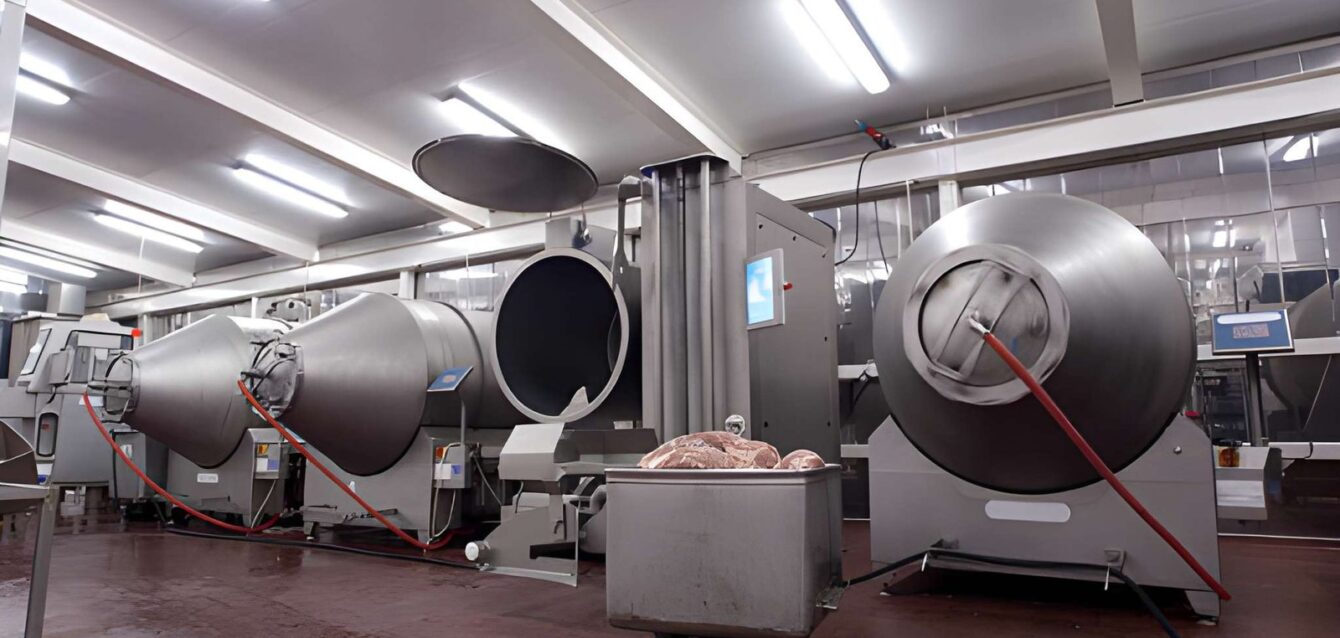
If you’ve ever wondered how that packet of dried mangoes or instant coffee powder came to be, the answer lies in one crucial step: drying. Removing moisture from food isn’t just about making it last longer — it’s a science that affects taste, texture, nutrition, and even how the product looks on the shelf. That’s exactly why understanding the different types of dryers in food processing matters, whether you’re running a food business, studying food technology, or just curious about how your favorite snacks are made.
In this blog, we’ll break down the most common types of dryers in food processing, how they work, and why manufacturers pick one over the other. No jargon overload — just simple, practical explanations.
Why Drying Matters in Food Processing?
Before we jump into the types of dryers in food processing, let’s quickly talk about why drying is such a big deal. Removing water from food slows down microbial growth, enzyme activity, and spoilage. This means longer shelf life, easier storage, and reduced transportation costs since dried food weighs less and takes up less space.
But it’s not as simple as just “removing water.” Different foods have different moisture content, structure, and sensitivity to heat. That’s why food processing dryers come in various designs — each suited to a particular kind of product.
Common Types of Dryers in Food Processing
Let’s get into the main types of dryers in food processing that are widely used across the industry today.
1. Tray Dryers
Tray dryers are among the simplest and most widely used food drying equipment. Food items are spread across trays, and hot air is circulated to remove moisture gradually. They’re commonly used for fruits, vegetables, and spices.
- Best for small to medium-scale operations
- Cost-effective and easy to maintain
- Slower drying process compared to advanced systems
2. Spray Dryers
Spray dryers are a go-to choice when it comes to liquid or semi-liquid food products like milk, coffee, and egg products. The liquid is sprayed into a hot air chamber, where it instantly turns into fine powder.
This is one of the most efficient types of dryers in food processing for producing powders in bulk, and it’s widely used in the dairy and beverage industry.
3. Fluidized Bed Dryers
Fluidized bed dryers work by suspending food particles in a stream of hot air, creating a fluid-like motion. This ensures even drying and is commonly used for grains, pulses, and granular food items.
They’re known for:
- Uniform drying results
- Faster processing time
- Suitability for heat-sensitive products
4. Freeze Dryers
If you’ve ever eaten astronaut ice cream or freeze-dried fruit, you’ve experienced this drying technology in food processing firsthand. Freeze dryers remove moisture by freezing the food first and then reducing pressure to allow the ice to sublimate directly into vapor.
This method preserves nutrients, flavor, and appearance far better than conventional drying, but it’s also more expensive and time-consuming — making it ideal for premium or specialty food products.
5. Drum Dryers
Drum dryers involve spreading a thin layer of liquid or paste-like food onto a heated rotating drum. As the drum rotates, the food dries and is scraped off as flakes or powder. This is commonly used for baby food, mashed potatoes, and cereal products.
6. Vacuum Dryers
Vacuum dryers operate at low pressure, which lowers the boiling point of water and allows drying at lower temperatures. This makes them a preferred choice for heat-sensitive foods where nutrient retention is a priority. It’s a great example of how industrial drying methods for food are evolving to balance speed with quality.
7. Microwave and Infrared Dryers
These are relatively modern additions to food processing dryers. Microwave dryers use electromagnetic waves to heat food from the inside out, speeding up the drying process significantly. Infrared dryers use radiant heat and are often combined with other drying methods for better efficiency.
Both are gaining popularity because they offer faster drying times while maintaining product quality — a big win in industries where speed matters.
Must Read : Energy Efficient Industrial Heating Using Microwave Systems
How Food Dryers Work: The Basic Principle
Regardless of the type, most food drying equipment operates on a similar basic principle: applying heat to evaporate moisture while ensuring the food’s structure, taste, and nutrients are preserved as much as possible. The difference lies in how that heat is applied — through hot air, radiation, contact with a heated surface, or a combination of methods.
Understanding how food dryers work also helps businesses choose the right equipment based on factors like:
- Type of food (liquid, solid, granular, paste)
- Desired shelf life
- Budget and production scale
- Nutrient retention requirements
Choosing the Right Drying Technique
There’s no one-size-fits-all answer when it comes to drying techniques in food preservation. A small business drying herbs at home might do just fine with a basic tray dryer, while a large dairy company producing milk powder would need industrial-grade spray dryers.
The key is matching the equipment to the product. Some questions worth asking:
- How sensitive is the food to heat?
- What texture and shelf life are you aiming for?
- What’s your production volume?
- What’s your budget for equipment and maintenance?
Getting these answers right can make a huge difference in product quality and business efficiency.
Final Thoughts
Understanding the various types of dryers in food processing isn’t just useful for manufacturers — it’s genuinely interesting to know how the food we eat every day is preserved and prepared. From simple tray dryers to advanced freeze-drying technology, each method plays a unique role depending on the food type and the results you’re aiming for.
Whether you’re in the food industry looking to invest in the right equipment or simply curious about the science behind your favorite dried snacks, knowing how these systems work gives you a better appreciation of the process. As drying technology in food processing continues to evolve, we’re likely to see even more efficient, sustainable, and quality-focused solutions in the coming years.
FAQs
1. What are the most common types of dryers in food processing?
The most common types include tray dryers, spray dryers, fluidized bed dryers, drum dryers, freeze dryers, and vacuum dryers, each suited to different food types and production needs.
2. Which dryer is best for liquid food products?
Spray dryers are best for liquid or semi-liquid foods like milk, coffee, and eggs, as they quickly convert liquids into fine, shelf-stable powders.
3. Why is freeze drying considered better for nutrient retention?
Freeze drying preserves nutrients, flavor, and texture better since it uses low temperatures, unlike conventional heat-based drying methods that can degrade sensitive nutrients.
4. How do food dryers help increase shelf life?
Food dryers remove moisture, which slows down microbial growth and enzymatic activity, helping food stay fresh and safe for longer storage periods.
5. What factors should businesses consider before choosing food drying equipment?
Businesses should consider food sensitivity to heat, desired texture, production scale, budget, and nutrient retention needs before choosing the right drying equipment.